

Freeze warnings stretched across parts of at least eight eastern states ahead of Sunday, October 18, with some communities forecast to drop as low as 28°F. The National Weather Service issued alerts covering portions of Pennsylvania, New Jersey, Ohio, Indiana, Kentucky, West Virginia, Virginia and North Carolina. For many households this was the first real test of the season, and a reminder that the first freeze warnings of autumn can arrive before garden beds, hoses and outdoor taps are ready.
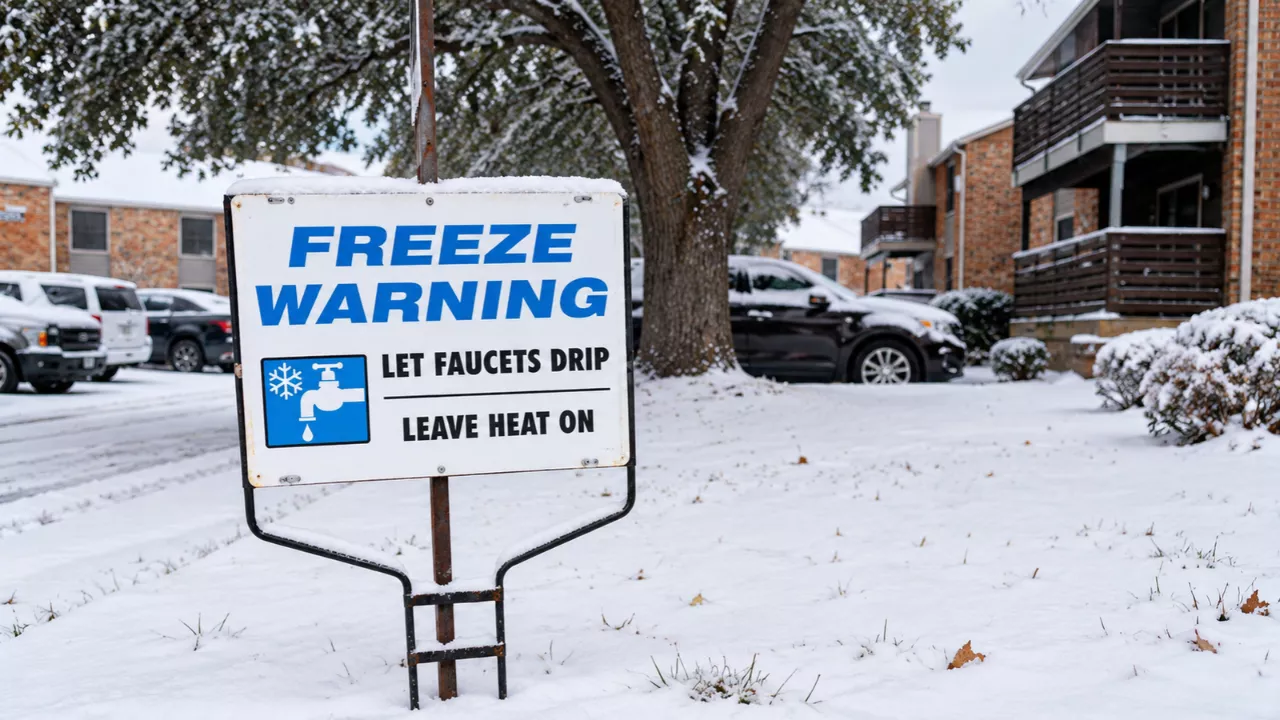
Where the Freeze Warnings Applied
The cold was concentrated in two areas. In the Mid-Atlantic, forecasters expected lows near 31°F across eastern Pennsylvania and northern New Jersey, with Carbon and Monroe counties in northeastern Pennsylvania the coldest spot at about 28°F. Farther south, the Blacksburg forecast office flagged 28°F for southwestern and west-central Virginia, southeastern West Virginia and northwestern North Carolina. Central Indiana was forecast to fall to around 30°F.
| State | Area covered | Expected low | Warning window |
|---|---|---|---|
| Pennsylvania | Northeastern and eastern counties, plus Pittsburgh-area alerts | 28°F to 31°F | About 1 a.m. to 9 a.m. Sunday |
| New Jersey | Northern portions | Around 31°F | About 1 a.m. to 9 a.m. Sunday |
| Virginia | Southwestern and west-central areas | Around 28°F | 1 a.m. to 9 a.m. Sunday |
| West Virginia | Southeastern areas | Around 28°F | 1 a.m. to 9 a.m. Sunday |
| North Carolina | Northwestern areas | Around 28°F | 1 a.m. to 9 a.m. Sunday |
| Indiana | Central, east-central and west-central areas | Around 30°F | 2 a.m. to 9 a.m. Sunday |
| Ohio and Kentucky | Select counties | Varies by county | Varies by county |
One caution applies to all of this: warnings are issued for specific counties, not entire states. Your street can sit just outside a warning zone while a town twenty miles away is inside it, so check your own county’s alert instead of relying on a statewide headline.
Why 28°F Matters More Than 32°F
Water freezes at 32°F, but plants and plumbing don’t always wait for the thermometer to hit that mark. Frost can form at temperatures in the mid-30s on clear, calm nights. Forecasters generally use the term “freeze” when temperatures are expected to reach 32°F or lower, and “hard freeze” for roughly 28°F or lower, which is cold enough to kill most tender vegetation outright.
That is why the 28°F readings in the Virginia and Pennsylvania forecasts drew attention. The Weather Service wording is blunt: frost and freeze conditions could kill crops and other sensitive vegetation, and could damage unprotected outdoor plumbing. A light freeze may only scorch the leaves of a few annuals, whereas a hard freeze can end the growing season for tomatoes, peppers, basil, dahlias and similar plants in a single night.
What Is Most at Risk at Home
Gardens get the most attention, but they are not the only things at risk. Walking your property before dark takes about fifteen minutes and covers the common trouble spots:
- Tender plants and vegetables: tomatoes, peppers, cucumbers, squash, basil and most flowering annuals
- Potted plants: containers lose heat faster than ground soil, so potted plants are more exposed
- Outdoor faucets and hose bibs: water left in a connected hose can freeze and push back into the pipe
- Irrigation lines and backflow preventers: these are often forgotten until spring, when leaks show up
- Pets and outdoor animals: make sure water bowls aren’t frozen and shelter is dry and draft-free
How to Protect Plants and Pipes Before a Freeze
The Weather Service advice is simple: take steps now to protect tender plants from the cold. In practice, that comes down to timing and a few cheap materials. Bring potted plants indoors or into a garage by late afternoon, before temperatures start falling. Cover in-ground plants with frost cloth, old bedsheets or burlap, and make sure the cover reaches the soil so it traps ground heat. Avoid plastic sheeting touching the leaves, since it can transfer cold and cause damage.
For plumbing, disconnect garden hoses, drain them and store them. If you have a shut-off valve for outdoor spigots, close it and open the faucet to let any remaining water out. Foam faucet covers cost a few dollars at most hardware stores and add a useful layer of protection during short cold snaps. Check the forecast again the evening before, because a few degrees of difference can decide whether you wake up to an ordinary chilly morning or damaged plants.
Frequently Asked Questions
What is the difference between a frost advisory and a freeze warning?
A frost advisory means temperatures near 32°F to 36°F are likely to produce frost that can harm sensitive plants. A freeze warning is more serious: it means temperatures of 32°F or below are expected, which can kill crops and damage unprotected outdoor plumbing.
Is 28°F cold enough to kill plants?
Yes, for most tender plants. Around 28°F is typically considered a hard freeze, which kills tomatoes, peppers, basil and many annual flowers. Hardy plants such as kale, cabbage and many perennials usually tolerate it.
Do freeze warnings cover whole states?
No. They are issued by local Weather Service offices for specific counties. Always check the alert for your own county or zip code.
When is the coldest time of night?
Usually just before sunrise. That is why many freeze warnings run from the early hours, often around 1 a.m., until about 9 a.m., and why plants should be covered the evening before.
Brisbane Coldest Capital This Week: What a Soggy, Cool Spell Means for South-East Queensland..