A growing number of venues are quietly (and sometimes loudly) saying “no influencers” when it comes to photoshoots. A hotel terrace used as a changing room, a restaurant table turned into a film set, a garden path blocked by tripods: owners and managers are no longer treating these as harmless. The “no influencers” movement is less a war on social media and more a push to protect what guests and visitors came for in the first place.
Why Venues Are Introducing Photoshoot Restrictions
The reasons repeat from place to place. Staff and regular customers say the problem is rarely a quick snap of a dessert. It is the scale and the behaviour around it.
- Crowding and blocked access: tripods, reflectors and posing groups can clog paths and entrances.
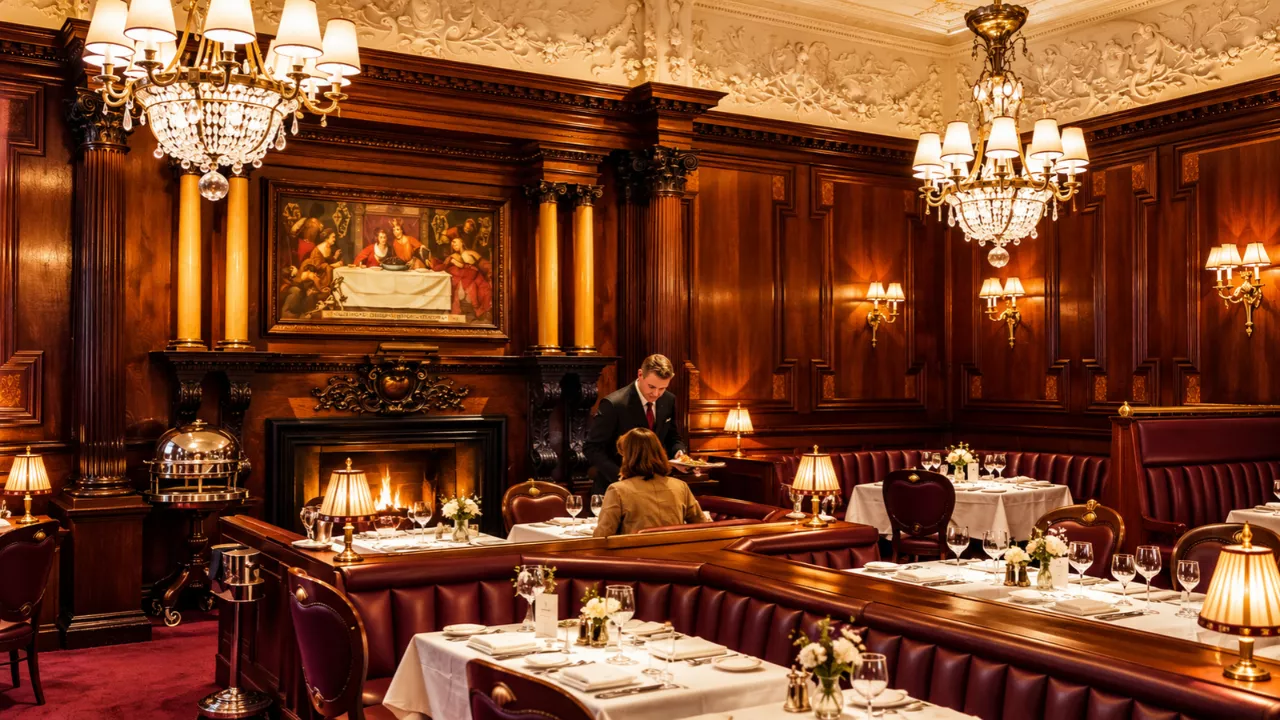
- Guest privacy and atmosphere: other diners and guests end up in strangers’ videos without asking.
- Non-paying “visitors”: some venues say people arrive only to use the setting as a backdrop.
- Safety and protection of the site: busy gardens and heritage spaces worry about damage and accidents.
- Commercial control: many places distinguish between personal photos and paid or promotional shoots.
Hotels and Restaurants Drawing the Line
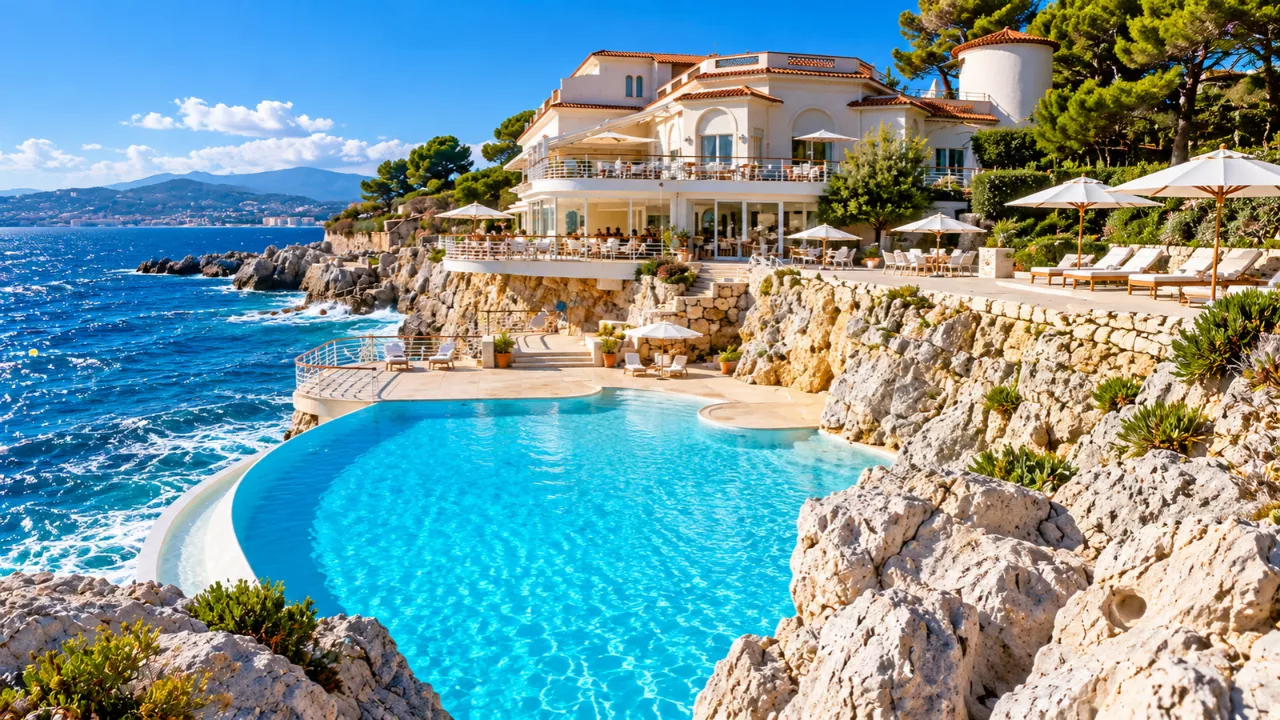
The clearest recent example is Hôtel du Cap-Eden-Roc in Antibes, on the French Riviera. The hotel has been open since 1870, and its manager, Sophie Volant, told Travel Weekly that visitors without overnight bookings were arriving with bags of outfits and jewellery to change repeatedly and shoot content. Long-standing guests, who treat the hotel as a private summer home, were unhappy, so a photography ban followed. Guests who still want pictures can use an in-house photographer at no extra charge. This is a useful model: the rule is paired with a real alternative.
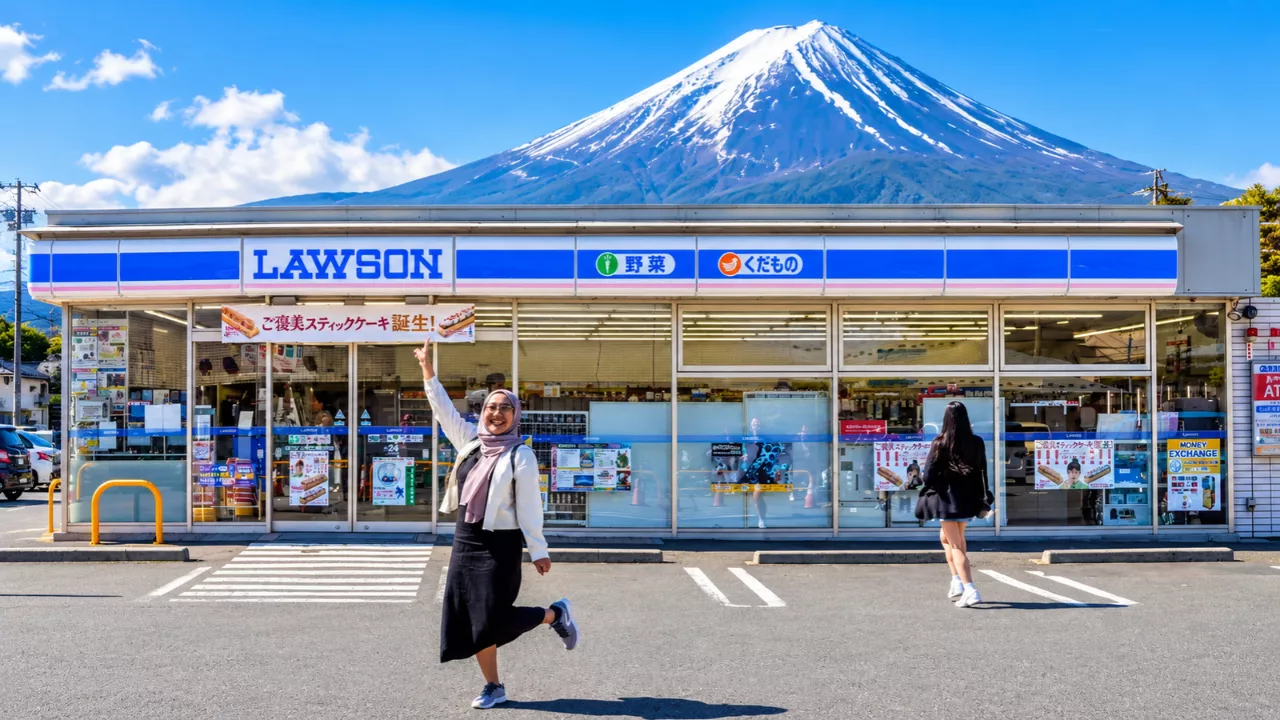
Photo restrictions are not new in hospitality. Members’ clubs such as Soho House and Annabel’s have long forbidden posting photos to protect members’ privacy, and the three-Michelin-star Waterside Inn in England stopped diners from photographing food back in 2017. What has changed is that mid-market restaurants, boutique hotels and small independent venues are now writing their own rules.
Beauty Spots, Gardens and Public Places
Outdoor beauty spots tend to focus on equipment and commercial use rather than banning cameras outright. Visitors are usually still welcome to take personal photos on a phone or handheld camera.
| Place | What is restricted | Who it targets |
|---|---|---|
| Hôtel du Cap-Eden-Roc, France | Photography ban; in-house photographer offered | Non-guests using the hotel as a backdrop |
| Shinjuku Gyoen, Tokyo | Tripods and reflector boards during peak periods, including cherry blossom season and a mid-November window; paying a professional to take personal photos is not permitted | Crowd-blocking equipment, commercial shoots |
| U.S. Botanic Garden, Washington, DC | Posed sessions including fashion and beauty, portfolio shoots, paid photography | Photoshoots and portfolio work |
| Lotusland, California | Professional photography on public tours; outfit changes in the garden | Staged shoots during tours |
| Lalbagh and Cubbon Park, Bengaluru | Reported ban on professional photoshoots, with flash safety given as a concern | Professional shoots |
Check each venue’s current policy before you go. Dates and details change from season to season.
How to Take Photos Without Being “That Person”
Most venues are happy with considerate visitors. A few habits keep you on the right side of the rules:
- Read the photography policy on the venue’s website before you visit.
- Use a phone or handheld camera for casual shots, and ask before bringing a tripod, lighting or a hired photographer.
- Don’t change outfits in public areas, and don’t block paths, doorways or tables.
- Keep other guests out of frame, and keep filming short and discreet.
- For a paid or brand shoot, ask for written permission and any fees in advance.
What This Means for Travellers and Creators
For ordinary travellers, nothing changes much: personal photos are still welcome almost everywhere. For content creators, the message is to treat a location as a host rather than a free studio, with permission requested and a booking made where needed. Venues, for their part, get the best results when they explain the “why” and offer a clear alternative, as Hôtel du Cap does. The trend is likely to continue because it answers a real tension: social media brings attention, but it can also erode the experience people are paying for.
FAQs
Are hotels and restaurants legally allowed to ban photography?
Generally yes. Private venues can set conditions of entry, and guests who break them can be asked to leave. Rules differ by country, so check local requirements.
Does “no influencers” mean I can’t take any photos?
Usually not. Most policies target professional or commercial shoots, tripods and staged sessions, not casual personal photos.
How do I get permission for a photoshoot?
Contact the venue’s management or events team before your visit and describe your plans. Expect to share details and possibly pay a fee or sign an agreement.
Why are public gardens and parks restricting shoots too?
Many cite visitor access, safety and protection of plants, and some separate personal photos from paid or commercial photography.