
Australia’s Fire Seasons Now Cost $6 Billion a Year as an El Niño Summer Looms
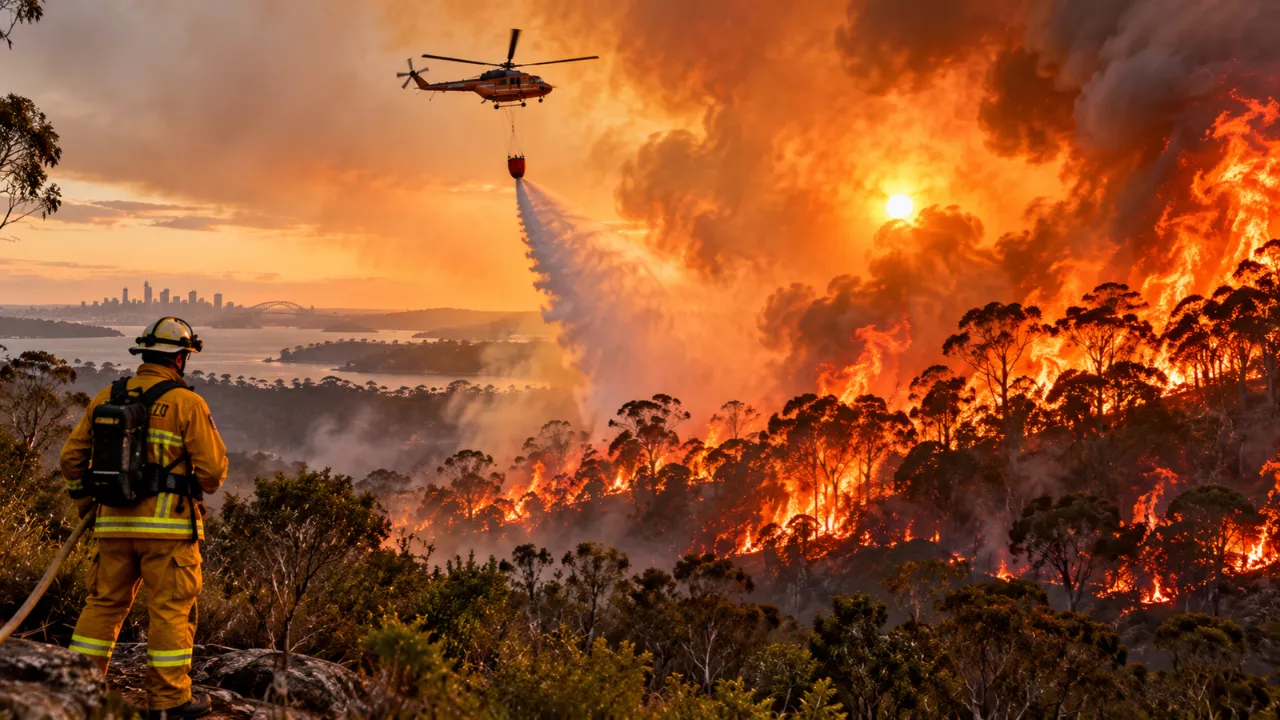
Fire seasons in Australia are costing the economy about $6 billion every year, according to new modelling commissioned by Emergency Leaders for Climate Action (ELCA). The finding lands just as the country prepares for a summer shaped by El Niño, which looks set to become one of the strongest on record. The figure is far larger than the insurance payouts most people associate with bushfires, and it says a lot about how deeply fire reaches into everyday life, from hospital admissions to local jobs.
Why Australia’s Fire Seasons Are Getting Longer
The ELCA modelling found that fire seasons have stretched by 21 per cent since 1979, a change linked to rising global temperatures. Greg Mullins, a former Fire and Rescue NSW commissioner who speaks for ELCA, says seasons now overlap between states and that catastrophic fire weather is becoming more common. That overlap matters. When several states burn at once, crews, aircraft and equipment can’t easily be shared, and communities wait longer for help.
The Real Cost: More Than Insurance Claims
Earlier studies mostly counted insured losses. The ELCA report looks across the whole economy, and the bill is much bigger. Most of the $6 billion a year comes from harm to health and wellbeing, ahead of damage to businesses and lost homes. Over three decades, the total approaches $182 billion.
| Key finding | Figure |
|---|---|
| Increase in fire season length since 1979 | 21% |
| Annual economic cost of fire seasons | About $6 billion |
| Projected cost over the next 30 years | Almost $182 billion |
| Cost of a single major event (e.g. Black Summer) | Almost $30 billion |
| Homes exposed to bushfire risk | 5.6 million (about half of all households) |
| Losses that better preparation could avoid each year | $600 million |
| Jobs that could be protected each year | More than 5,600 |
What Black Summer Still Teaches Us
The 2019/20 fires show how long the damage lasts. In the Snowy Valleys Council area, about 45 per cent of the region burned. One person died, almost 200 homes were destroyed, nearly 9,000 livestock were lost and 400,000 hectares were scorched. The council spent more than $50 million on direct recovery, including road repairs and clearing damaged trees.
More than six years on, council technical services manager Glen McGrath says some homes still haven’t been rebuilt. The local softwood industry won’t be fully back online until around 2040, because pine plantations take more than 20 years to regrow. Nationally, Black Summer cost tourism almost $3 billion, and the Insurance Council attributes about $2 billion of the $2.58 billion in bushfire claims since 2019 to that single event.

What El Niño Means for This Summer
El Niño typically brings hotter, drier conditions to southern and eastern Australia. The picture this year is mixed. 2026 is shaping up as Australia’s wettest El Niño year on record, yet the Bureau of Meteorology’s senior climatologist Felicity Gamble says drier-than-average conditions have persisted over the past three months. They stretch from central Queensland down the New South Wales coast and across southern Victoria and Tasmania.
The main worry is “flash drought”. Mullins explains that during heatwaves vegetation gives up its moisture quickly, so landscapes can dry out fast. Add wind and fires can become catastrophic. Because of El Niño’s lag effect, there is also speculation that next year could be the hottest on record globally, which could mean a particularly bad 2027/28 fire season.

How to Prepare: Practical Steps
The ELCA report found that better protecting homes and infrastructure could avoid $600 million in losses each year. Mullins argues that federal Disaster Ready Fund spending should be targeted at households, such as upgrading homes to bushfire standards and keeping power and communications running after a fire.
For individuals, the basics still matter:
- Write and rehearse a bushfire survival plan, including when you will leave.
- Check your state or territory fire service for local warnings and fire danger ratings.
- Clear gutters, dry leaf litter and flammable material from around your home.
- Pack an emergency kit with medications, documents, water and a battery radio.
- Review your insurance cover before the season peaks.
- Look out for elderly neighbours, who may need help planning to leave early.
Frequently Asked Questions
How much do bushfire seasons cost Australia each year?
About $6 billion, according to ELCA modelling. Most of that comes from harm to health and wellbeing, followed by business damage and lost homes.
How many Australian homes are at risk from bushfires?
The report puts it at 5.6 million, or roughly half of all Australian households.
Does El Niño guarantee a bad fire season?
No. El Niño often brings hotter, drier conditions to the south and east, but each season plays out differently. Dry conditions are already showing along parts of the eastern seaboard, so preparing early makes sense.
Can preparation really reduce the damage?
Yes. The report estimates that better protection of homes and infrastructure could avoid $600 million in losses and protect more than 5,600 jobs each year.
Source note (for your editor, not for publishing mid-article): the data and quotes come from ABC News reporting by Romy Stephens, published 22 October 2026, on the ELCA modelling. You may want to add that attribution in a footer or author note.