
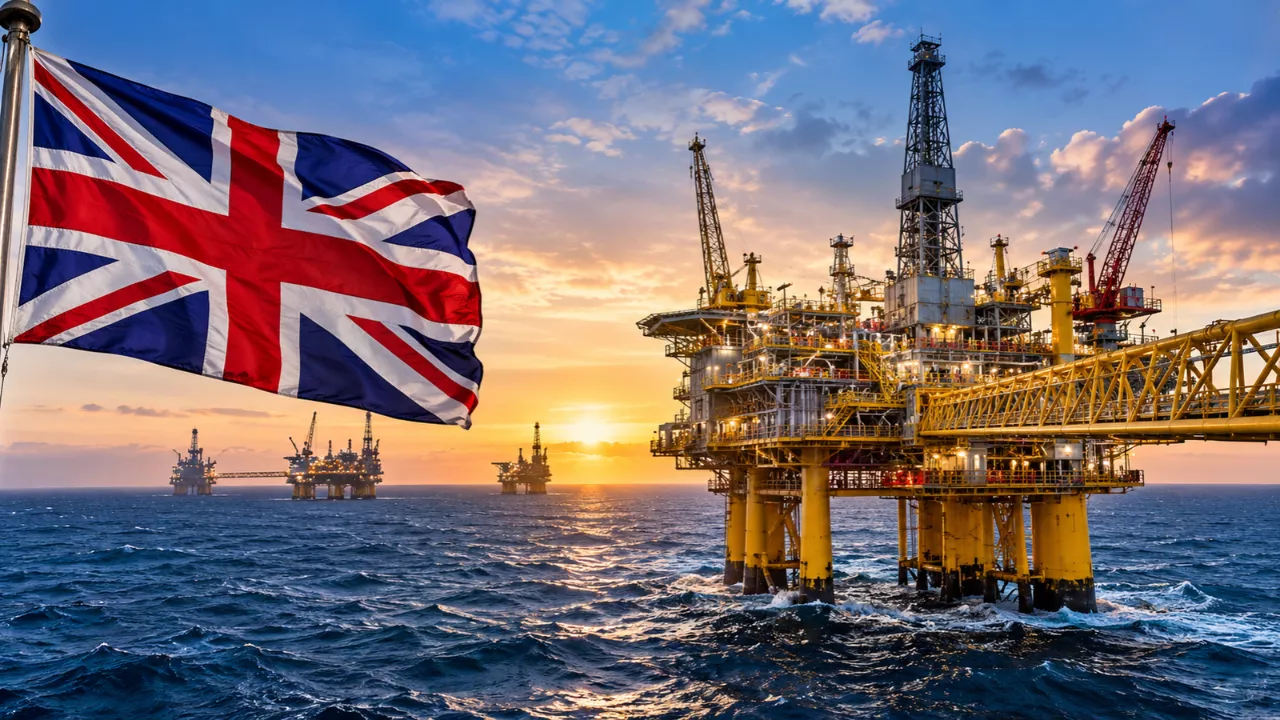
The UK government has approved development of the Jackdaw gasfield in the North Sea. The decision, announced on 21 October 2026, puts Labour’s climate ambitions and energy security concerns in direct tension. Energy Minister Miatta Fahnbulleh said the field would begin supplying gas to UK homes by the end of the month. Critics, including the Green Party and Greenpeace, argue it locks Britain further into fossil fuels. Here is what the approval does and doesn’t change.
Why the Jackdaw Gasfield Approval Matters Now
Jackdaw is not a new idea. It was first approved in 2022, but a court challenge from environmental campaigners forced a fresh look at its climate impact. The case turned on whether the emissions from burning the gas had been properly assessed. That left the project in limbo for years.
What has changed is the backdrop. Wars in Ukraine and the Middle East have pushed up energy prices for households and businesses and weighed on the British economy. The government now frames Jackdaw as a security measure. Prime Minister Andy Burnham said it will “protect hundreds of jobs and help keep millions of homes warm,” while insisting it won’t hinder renewable energy targets.

Jackdaw Gasfield at a Glance
| Detail | What’s Known |
|---|---|
| Location | North Sea, roughly 250 km (155 miles) east of Aberdeen |
| Developer | Adura, the joint venture between Shell and Equinor |
| Approved | 21 October 2026 |
| First supply | Expected by the end of October 2026, per the energy minister |
| Share of UK gas output | About 6% at peak, according to the government and the developer |
| Critics’ estimate | About 2% of UK gas demand over the field’s lifetime |
| Homes supplied (developer’s estimate) | Enough to heat more than 1.4 million homes at peak |
| Effect on bills | None, according to the energy minister |
The 6% and 2% figures aren’t strictly contradictory. One measures a share of North Sea production at peak, the other a share of national demand across the field’s life. Which one you find persuasive depends on what you think the field is for.
Energy Security, Not Cheaper Bills
Fahnbulleh was unusually direct about what Jackdaw will not do. Speaking to LBC, she said the decision was not about lowering household bills: “it won’t mean cheaper bills. This was about energy security.”
That candour matters. Gas from the field is sold at market prices, and the UK is part of an interconnected European gas market. The government’s argument is about supply resilience: producing more gas at home reduces exposure to disruptions abroad and keeps jobs in the offshore sector.
Alongside the approval, the government announced a New Energy Wealth Fund with an initial £2 billion ($2.7bn). It will invest in renewable and low-carbon projects, with more money to come from tax revenues on North Sea oil and gas. Ministers are presenting this as the bridge between the old and new energy systems.
The Criticism From Climate Campaigners and the Left
The backlash was swift. Green Party leader Zack Polanski called the decision “climate vandalism” and said it will do nothing to lower bills while boosting oil and gas company profits. Greenpeace UK’s Ami McCarthy argued that real pragmatism means cutting reliance on expensive oil and gas, which leaves households exposed to price shocks and “petrostates.”


The criticism rests on a few recurring points:
- Scale: campaigners say Jackdaw is small relative to national demand and can’t end the need for imports.
- Prices: gas sold at market rates won’t make bills cheaper, which even the government concedes.
- Emissions: burning the gas still adds to climate pollution, the issue at the heart of the earlier court ruling.
- Politics: some see the decision as a reversal of Labour’s earlier rhetoric on new North Sea projects.
Supporters counter that the UK will keep using gas for years regardless, and that domestic production is preferable to imports on security grounds. That is the same argument the government is making.
What to Watch Next
Several questions will decide whether Jackdaw is a one-off or a turning point.
- Further legal challenges: environmental groups have successfully contested North Sea approvals before.
- The Wealth Fund’s follow-through: its credibility depends on how quickly the £2 billion reaches real renewable projects.
- Other fields: pressure will grow over whether similar approvals follow for other North Sea developments.
- Winter supply: whether first gas arrives on the promised timeline will be an early test.
For readers, the practical takeaway is to treat Jackdaw as a security and supply decision rather than a cost-of-living one. Your energy bill is unlikely to move because of it.
FAQs
What is the Jackdaw gasfield?
Jackdaw is a natural gas field in the North Sea, about 250 km east of Aberdeen. It is being developed by Adura, a joint venture between Shell and Equinor.
Will the Jackdaw gasfield lower my energy bills?
No. The energy minister said directly that the decision won’t mean cheaper bills. The government says it was made to improve energy security.
How much gas will Jackdaw produce?
The government says it will raise UK gas production by about 6% at its peak. Environmental groups argue it would meet only around 2% of UK gas demand over its lifetime.
Why are environmental groups opposed to the approval?
They say new gas development undermines climate goals, won’t cut bills, and mainly benefits oil and gas companies. Greenpeace and the Green Party have both condemned the decision.