
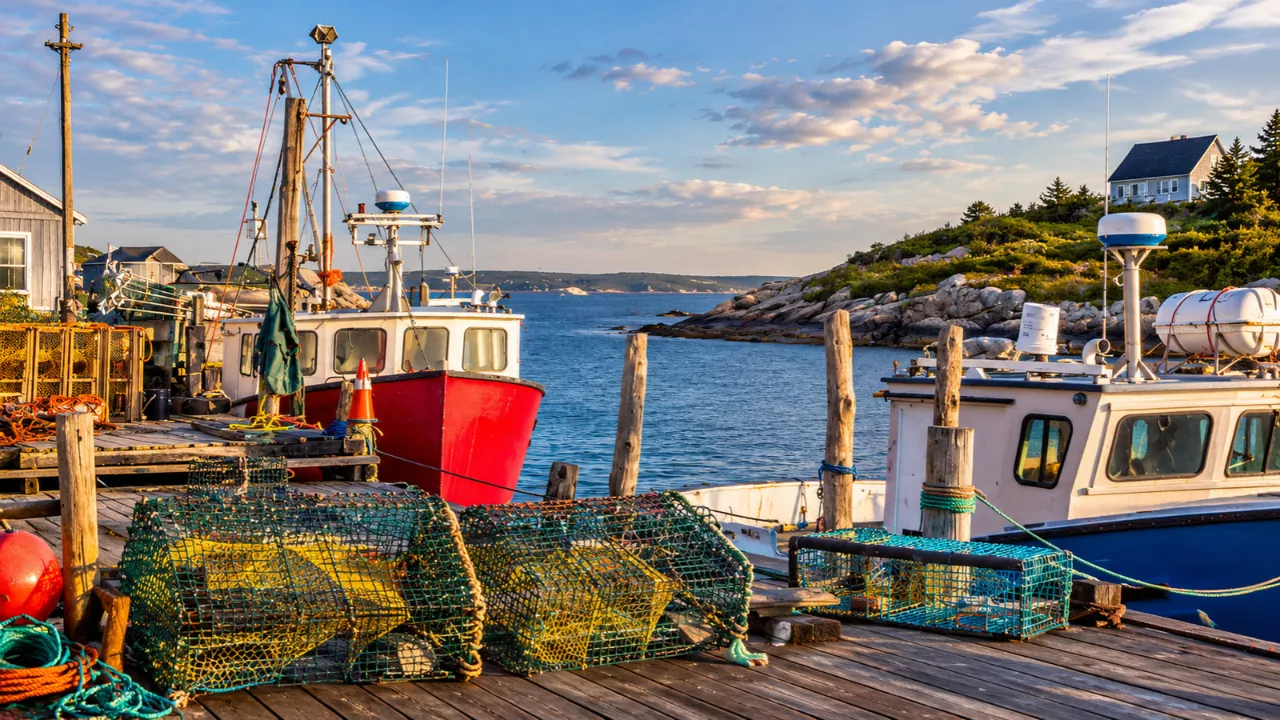
Nova Scotia’s Department of Natural Resources has charged two seafood businesses in the province’s southwest in connection with illegally harvested lobsters. The companies are Independent Fisheries in Lockeport and a numbered company, 3329874 Nova Scotia Ltd., based in North West Harbour. The charges follow a two-year investigation into illegal lobster buying, which officials say is still ongoing.
Both companies were charged under the province’s Fisheries and Coastal Resources Act. The charges are for buying, selling or possessing fish that was illegally caught, and for buying from someone without a valid commercial fishing licence. The numbered company faces a third charge for operating without the licence required to buy, process or sell fish. Charges are allegations, not findings of guilt, and nothing has been proven in court.
What Each Company Is Accused Of
The two businesses face overlapping but not identical charges, summarised below.

| Detail | Independent Fisheries | 3329874 Nova Scotia Ltd. |
|---|---|---|
| Location | Lockeport, Nova Scotia | North West Harbour, Nova Scotia |
| Law cited | Fisheries and Coastal Resources Act | Fisheries and Coastal Resources Act |
| Buying, selling or possessing illegally harvested fish | Charged | Charged |
| Buying from someone without a valid commercial licence | Charged | Charged |
| Operating without a licence to buy, process or sell fish | Not charged | Charged |
| Charges laid | Early October 2026 | Early October 2026 |
| Pleas scheduled | November 12, 2026 | November 12, 2026 |
| Court | Yarmouth Provincial Court | Yarmouth Provincial Court |
The Company’s Response
Independent Fisheries has denied any wrongdoing. A spokesperson said the company sources lobster in season from legal licence holders and requires proof of origin for every transaction. It said it expects to be cleared through the legal process. The numbered company could not be reached for comment when the charges were announced.
Why Illegal Lobster Buying Matters to the Fishery
Lobster is the backbone of coastal life in Nova Scotia. Canada’s lobster fishery had a landed value of about $1.97 billion in 2024, and thousands of licensed harvesters depend on a regulated season to protect both the resource and their livelihoods.

Buyers sit at a critical point in that system. A fisher can only profit from an illegal catch if someone is willing to buy it, so enforcement increasingly targets the buying side as well as the harvesting side. The provincial government estimates that up to 30 per cent of annual lobster landings in Atlantic Canada go unreported. In Nova Scotia alone, that could represent up to $400 million in taxable income that never enters the books.
For law-abiding fishers, unreported or out-of-season catches create several problems:

- Unfair competition: Licensed harvesters follow seasons, trap limits and reporting rules, while illegal supply can undercut their prices.
- Conservation risk: Catch that goes unrecorded makes it harder for scientists and managers to set sustainable limits.
- Weaker traceability: Seafood that can’t be traced to a legal source is a problem for buyers, exporters and consumers alike.
- Lost public revenue: Unreported transactions mean unpaid taxes in the communities that rely on the fishery.
How Nova Scotia Has Been Tightening Enforcement
These charges come as the province builds up its enforcement tools. Nova Scotia launched a dedicated fisheries compliance unit last year to lead its response to illegal fish buying and processing. It has since raised the maximum fine under the Fisheries and Coastal Resources Act from CAD 100,000 to CAD 1 million. In January it also introduced higher fines for more than two dozen offences.

Industry groups have welcomed the direction. The Lobster Processors Association has said that deterring illegal or unreported transactions needs coordinated action from both federal and provincial governments. Fisheries Minister Kent Smith said the compliance unit is preparing to take the lead on fisheries enforcement, building on the work of the province’s conservation officers.
The region has seen similar cases before. In 2020, a Nova Scotia lobster pound and its owner were each fined $50,000 after being convicted of illegally selling lobster harvested under Indigenous food, social and ceremonial licences, which don’t permit sale. That case relied on tagged lobsters tracked from the fishing grounds to a shipment bound for the airport. Together, these cases show how seriously regulators now treat the buying and processing side of the supply chain.
What Happens Next
The next milestone is November 12, when both companies are scheduled to enter pleas in Yarmouth Provincial Court. The wider investigation continues, so further developments are possible. Anyone following the case should wait for the court process to play out before drawing conclusions about either business.
For buyers, processors and restaurants that handle lobster, the practical takeaway is straightforward. Verify your suppliers’ licences, keep proof of origin for every purchase, and treat unusually cheap or out-of-season lobster with caution.
SOURCE
Houston Skyscraper O27 Breaks the Straight Line: STG Design’s Curving Glass Tower!