
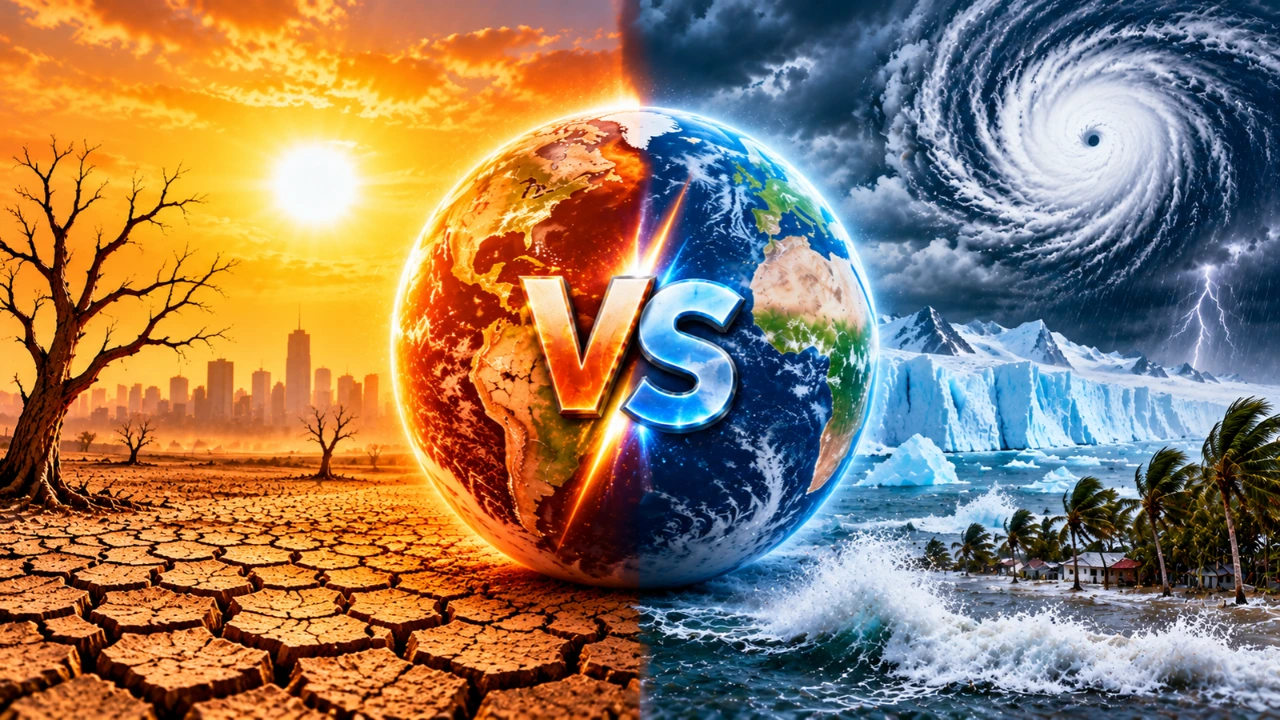
You’ve probably heard “global warming” and “climate change” used as if they mean the same thing. They’re closely linked, but they aren’t identical. Knowing the difference helps you make sense of the news, from record heat to floods and droughts, and even rising food prices. Here’s a clear, simple breakdown.
What Is Global Warming?
Global warming is the long-term rise in Earth’s average surface temperature.
Since the late 1800s, the planet has warmed by more than 1°C. Most of this warming is caused by human activities, mainly burning coal, oil and gas, which release greenhouse gases like carbon dioxide and methane.
These gases trap heat in the atmosphere, a bit like a blanket wrapped around the Earth. The more gas we add, the thicker the blanket gets.
What Is Climate Change?
Climate change is the bigger picture. It covers all the long-term shifts in Earth’s climate, not just temperature.
That includes changes in rainfall patterns, rising sea levels, melting ice, stronger storms, longer droughts and more frequent heatwaves.
In short, global warming is one part of climate change. The rising temperature drives many of the other changes we’re seeing.
Global Warming vs. Climate Change at a Glance
| Global Warming | Climate Change | |
|---|---|---|
| What it means | Rise in Earth’s average temperature | Long-term changes in the whole climate system |
| Scope | Focuses on temperature | Covers temperature, rain, sea level, storms and more |
| Main cause today | Human greenhouse gas emissions | Mostly global warming, plus other human and natural factors |
| Example | Hotter average years | Longer droughts, heavier floods, rising seas |
Has the Climate Changed Before?
Yes. Earth’s climate has shifted naturally over thousands and millions of years, through ice ages and warmer periods. These changes were driven by things like volcanic eruptions and small shifts in Earth’s orbit.
The difference today is speed and cause. Scientists agree that the warming of recent decades is happening much faster than natural changes and is mainly caused by people.
The World Meteorological Organization reports that the past 11 years have been the warmest on record.
Why the Difference Matters
Using the right term helps explain what’s really going on.
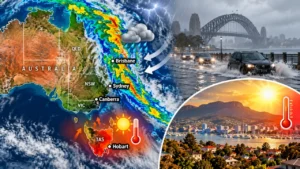
If we only talk about “warming,” people might expect every place to simply get hotter. But climate change also brings heavier rain in some areas, drier seasons in others, and more unpredictable weather overall.
That’s why a cold snap or a flood doesn’t disprove global warming. They can both be part of a changing climate.
How Climate Change Affects Our Food
Climate change isn’t just an environmental issue. It shows up on our plates too.
Droughts, floods and heatwaves can damage crops and reduce harvests. Changing rainfall patterns make farming harder to plan.
When harvests fall, food prices can rise. Crops like maize, wheat, coffee and cocoa are all sensitive to extreme weather.
Farming also contributes to the problem. Livestock and rice paddies release methane, while fertiliser use releases nitrous oxide, both powerful greenhouse gases.
What Can Be Done?
The main solution is cutting greenhouse gas emissions. Under the Paris Agreement, countries aim to keep warming well below 2°C and to try to limit it to 1.5°C.
Individuals can help too. Small steps add up:
- Cut food waste by planning meals and using leftovers
- Choose seasonal and local produce where practical
- Save energy at home
- Use public transport, walk or cycle when you can
Frequently Asked Questions
Are global warming and climate change the same thing?
No. Global warming is the rise in Earth’s average temperature. Climate change includes that warming plus wider effects like changing rainfall, rising seas and extreme weather.
What causes global warming?
Mainly greenhouse gases from burning fossil fuels, deforestation and some farming practices.
Can climate change make winters colder?
It can lead to more unpredictable weather, so some places may still see cold spells even as the planet warms overall.
How does climate change affect food prices?
Extreme weather can damage crops and reduce harvests, which can push up the cost of food.
Conclusion
Global warming and climate change are closely connected, but they’re not the same. Warming is the rising temperature; climate change is everything that follows from it. Understanding both helps us see why the issue matters for our health, our homes and even what ends up on our dinner table.